Environmental Assessment
Algae as water quality indicators
Algae serve as excellent indicators of water quality. They absorb nutrients directly from the water, accumulating them within their cells. In this way, algae tell a story about the health of the ecosystem in which they grow.
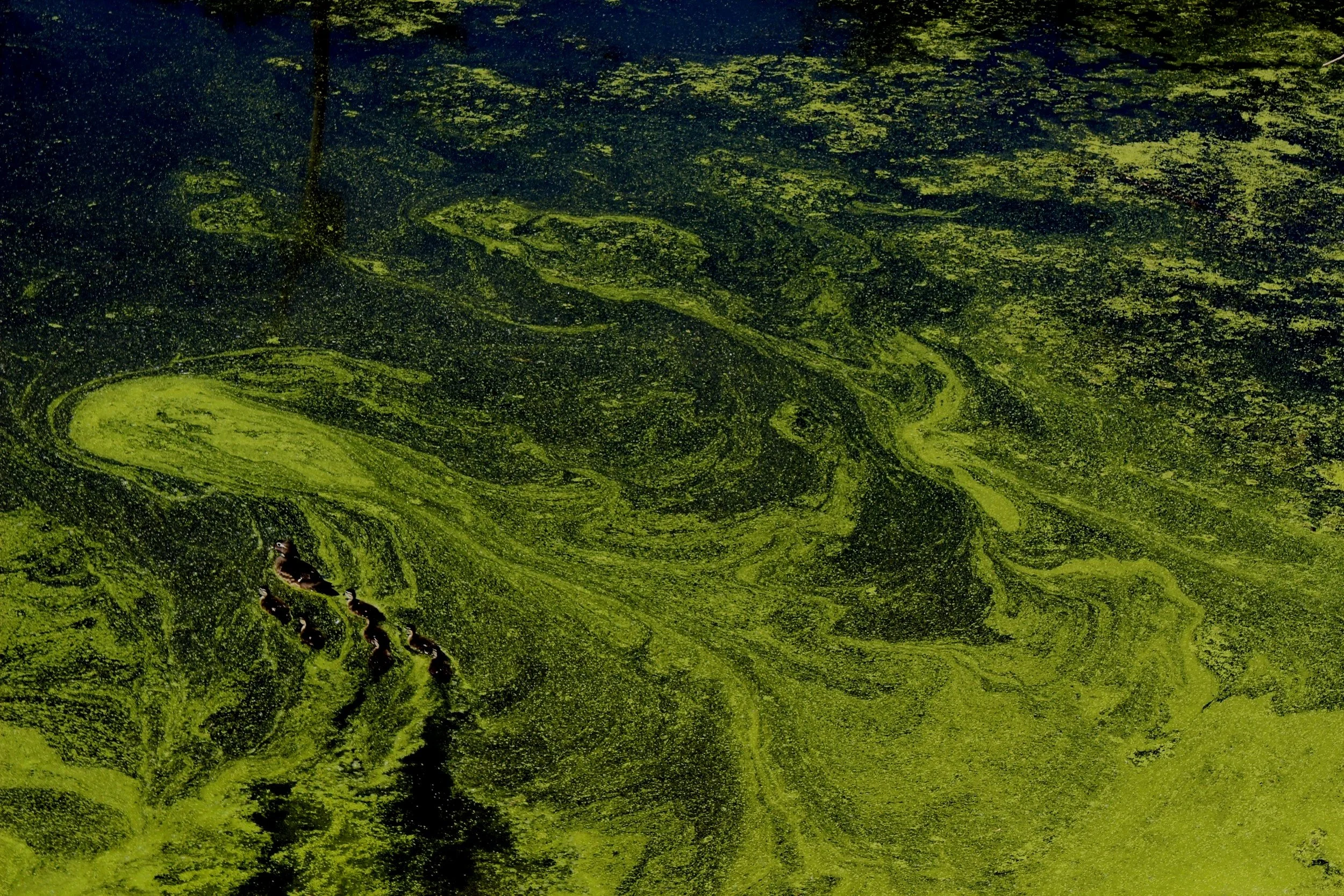
A nuisance algae problem is almost always a symptom of underlying water quality issues. Excess nutrients, specifically nitrogen and phosphorus, stimulate the rapid growth of undesirable species. This often results in unsightly floating algal mats and foul water odors. Furthermore, certain species of blue-green algae (cyanobacteria) produce potent toxins, posing a significant health risk to humans and animals.
Remediating an algae problem is a multi-step process. First, the sources of nutrient loading must be identified. Because remediation strategies differ based on whether the excess nitrogen and phosphorus stem from internal cycling or external runoff, a tailored approach is essential for long-term success.
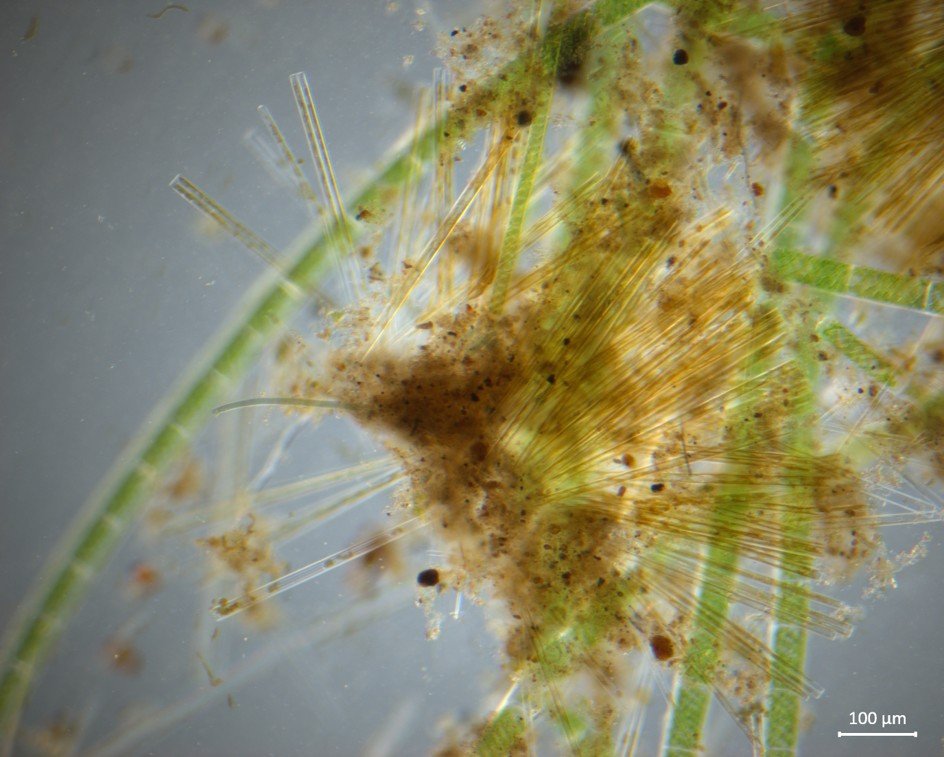
Laboratory & Analytical Services
Field Sampling & Preservation Professional collection and preservation of algae samples to ensure biological integrity from the field to the lab.
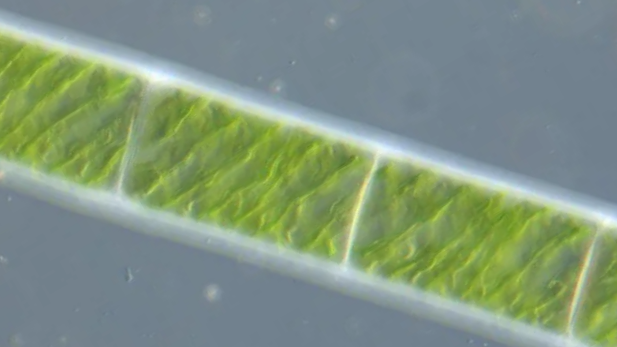
Taxonomic Identification & Cell Counts Precise microscopic identification of species and accurate cell density quantification.
Specialized Diatom Analysis Comprehensive sample processing, including acid cleaning and frustule counts for environmental assessment.
Bioprospecting Searching and screening natural environments for high-value algae strains with specific commercial or ecological potential.
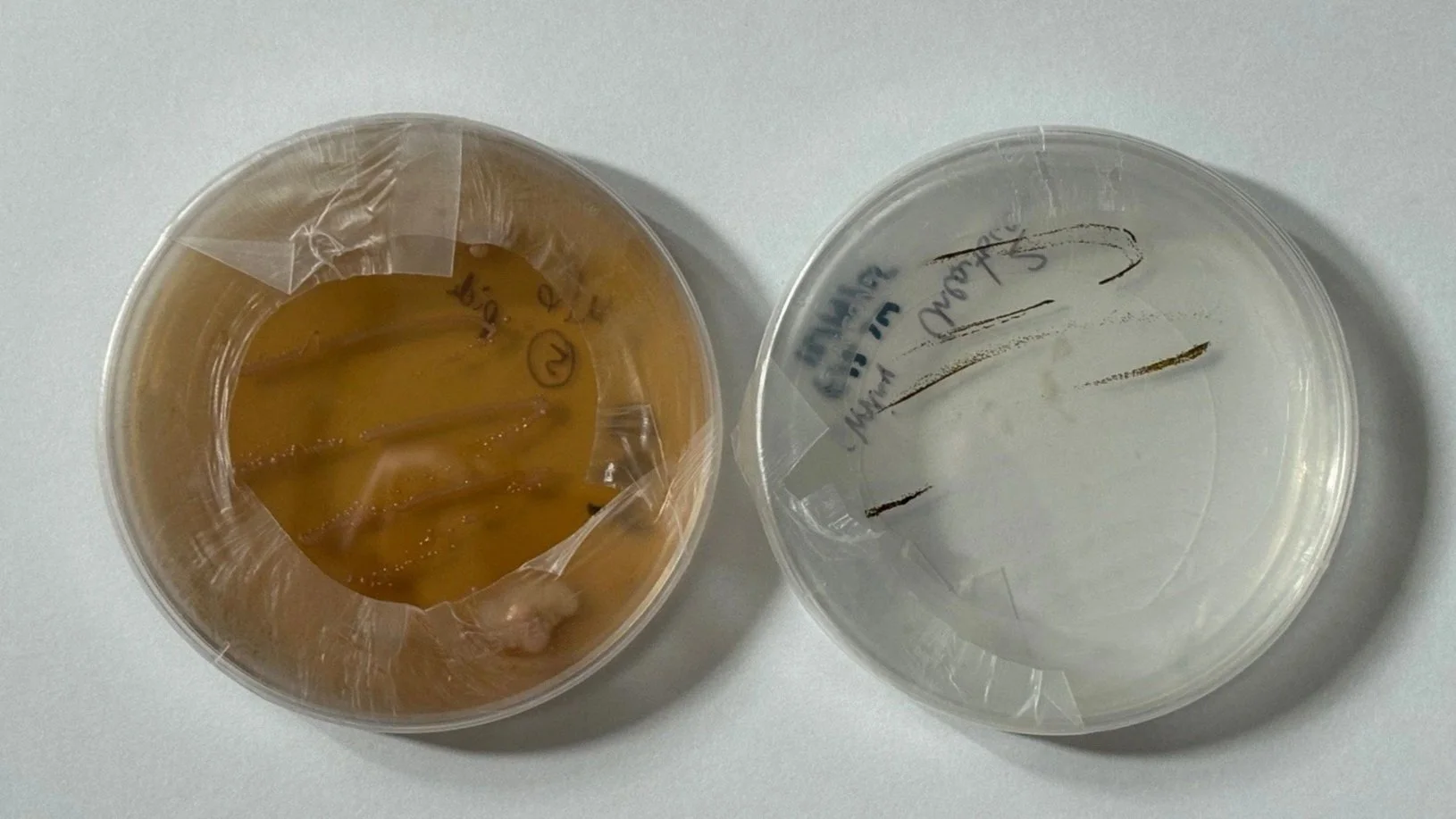
Strain Isolation & Purification Expert isolation of specific algae lines to establish clean, axenic, or unialgal cultures.
Genetic Characterization Advanced strain genotyping to confirm identity, ensure purity, and protect intellectual property.